In short: We explain what HDR is and why not every device carrying the label looks equally good.
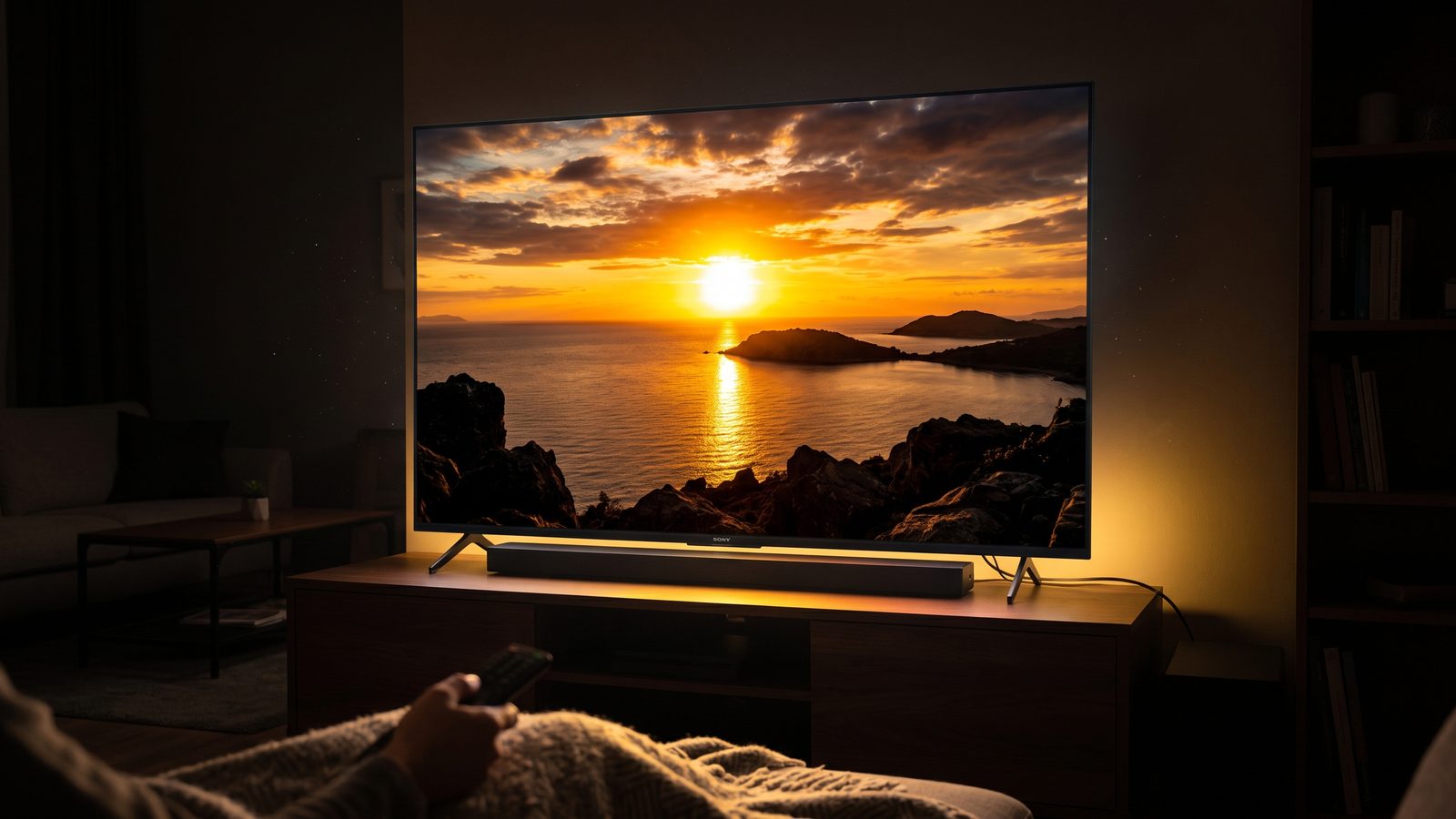
The abbreviation HDR now appears on the label of most TVs, and increasingly on projectors too, but the mere presence of this feature on the box says little about actual picture quality. We explain what HDR is, why it differs from device to device, and what to look out for so you don't end up buying equipment that only formally meets the standard.
What HDR actually is
HDR, or High Dynamic Range, is a technology that widens the brightness and contrast range of an image compared to standard dynamic range (SDR). In practice this means dark parts of the image can be deeper, and bright parts more intense, giving the picture more detail both in shadows and in overexposed areas. The effect is especially visible with content recorded and graded specifically for HDR — ordinary SDR content displayed on an HDR screen doesn't automatically gain those same benefits.
Why not all HDR looks the same
The HDR standard defines the signal format, but doesn't guarantee that a given display can physically reproduce the full brightness and contrast range that signal describes. Cheaper devices often just "decode" the HDR signal, compressing it down to their own, much more modest panel capability — the image can then look flat or artificially oversaturated. What makes the real difference here is peak screen brightness and the quality of local dimming — the better a panel can simultaneously show deep black and intense brightness, the more noticeable the HDR effect.
HDR in projectors — additional limitations
In projectors, the HDR effect is harder to achieve than on TVs, because a projected image inherently has lower contrast and peak brightness than an emissive LED or OLED panel — and the result is further affected by the room's lighting conditions and the quality of the projection screen. In a well-blacked-out cinema or presentation room the difference can be noticeable, while in a brightly lit office the benefits of HDR can be hard to perceive, regardless of the manufacturer's claims.
Common HDR formats
- HDR10 — the most widespread, open baseline standard, present in most modern TVs and projectors.
- HDR10+ and Dolby Vision — extend the baseline standard with dynamic metadata that adjusts brightness scene by scene, theoretically giving a more precise image, provided the equipment and content fully support it.
- HLG — a format designed for live broadcasts, backward-compatible with SDR receivers.
Summary
An HDR label on a device is a starting point for further verification, not a guarantee of picture quality — what matters are the panel's real parameters, the room's lighting conditions, and whether the content displayed was actually produced to that standard. When choosing equipment for a conference or presentation room, it's worth focusing on evaluating the actual image under real-world conditions rather than relying solely on the presence of an HDR logo on the spec sheet.
Read also: RTINGS